Michigan Lottery: the case that proves the importance of digitalizing a lottery
The Michigan Lottery case proves that omnichannel increases collection. Learn the technical keys that allow you to digitize without cannibalizing retail.
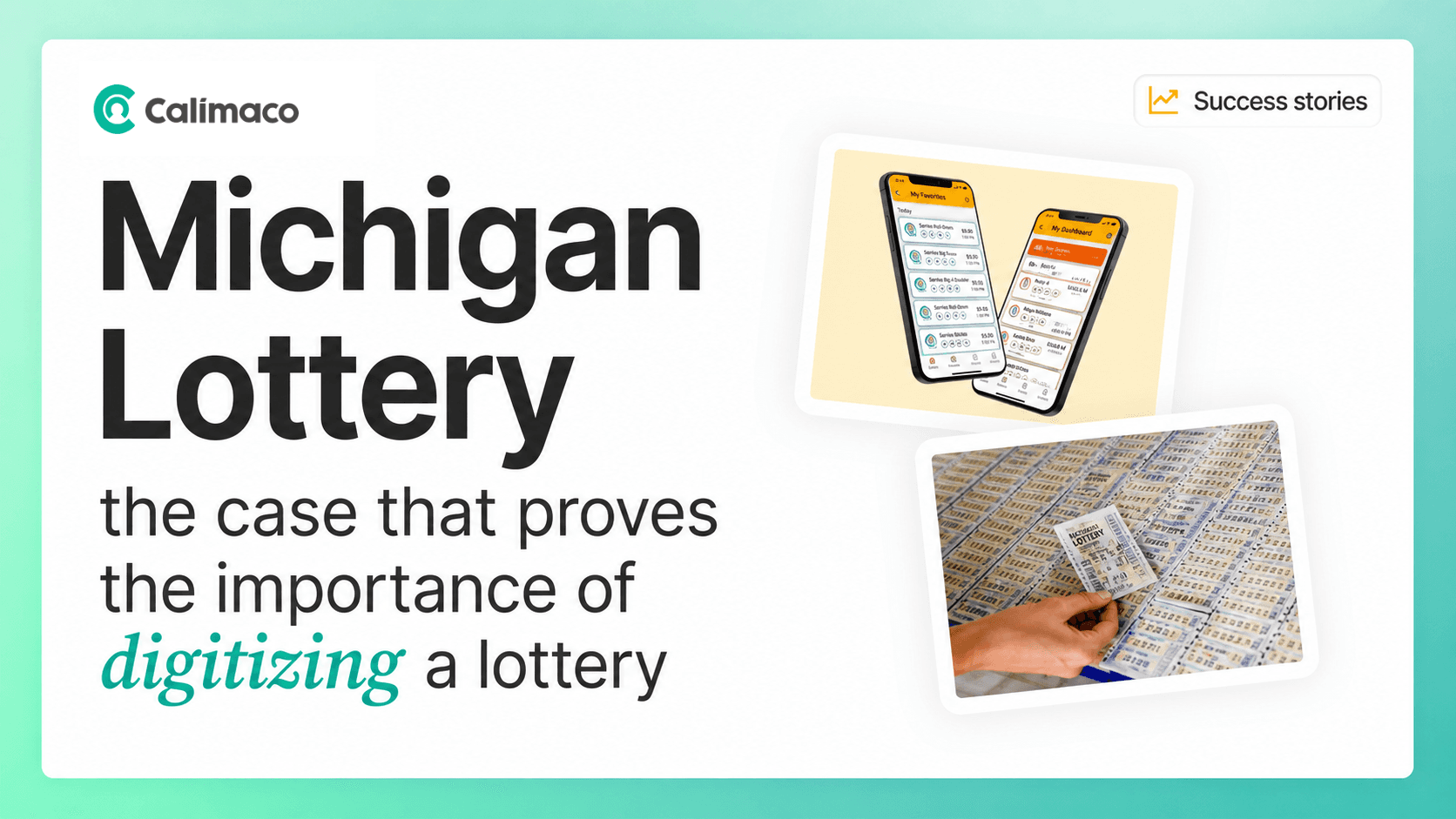
The case that changed the industry and set the path for lotteries that want to grow in digital.
Who is Michigan Lottery?
For years, many lotteries faced the same dilemma: "What happens if we launch the online channel and retail sales fall?".
Far from hurting retail, digitalization made both channels grow at the same time.
But the most important thing isn't what happened, but how they did it, a roadmap any organization can apply.
From traditional retail to omnichannel
Michigan Lottery was founded in 1972 to fund the state's education system. For decades, retail was its only sales engine.
In 2014 they decided to transform themselves by introducing:
- online ticket purchase
- virtual scratch cards
- a redesign of the player experience
But what matters is that they didn't digitalize so that the online channel would replace the physical one, but with the mission of boosting it.
Results obtained
The results didn't take long to arrive:
- $146M in digital sales in the first year
- $613M after three years, growth of +320%
- retail grew in parallel, going from $2.75B to more than $3B
In other words, the online channel didn't compete with retail… it strengthened it.
The technique behind the success
The key wasn't in "opening a website", but in deploying a real omnichannel architecture, something very few lotteries have managed to implement correctly.
- Identical portfolio on both channels
The player can access the same games, with the same rules and the same experience, both online and physical, eliminating the perception of internal competition and avoiding fragmenting the user.
- Use of promotions designed to move the player between channels
Isolated campaigns weren't designed; retail incentivized digital and digital sent traffic back through coupons, bonuses or missions, integrating incentives across channels.
- Use of data as a decision factor
Every decision is taken based on combined data, from gameplay patterns to habits by time slot and response to different promotions.
- Smooth user experience
The player doesn't switch platforms; Michigan Lottery is a single lottery with two doors of entry.
Why did it work? Because players are now omnichannel
With the rise of online sales, there are no longer "online players" and "physical players"; lotteries now integrate both worlds. Online doesn't compete with retail, it feeds it by expanding its player base, capturing more users and retaining them earlier, activating inactive users and allowing operations to run with more stability.
And this transition is no longer optional; markets that don't adapt will lose regulated value and be left out of the wave.
The question is no longer whether to digitalize, but when
Michigan Lottery didn't just modernize, it set a standard. Now it's clear that the future isn't physical or online, it has to be integrated. And the real risk isn't in digitalizing, it's in waiting while others are already doing it.
If you're studying this transition, understanding this model is only the first step. The next is executing it with a solid strategy and a partner that already works with those leading this transformation. Don't hesitate to contact us, so we can show you how we can help.